
Walking A Dangerous Path
A new film from a great director who always takes risks.
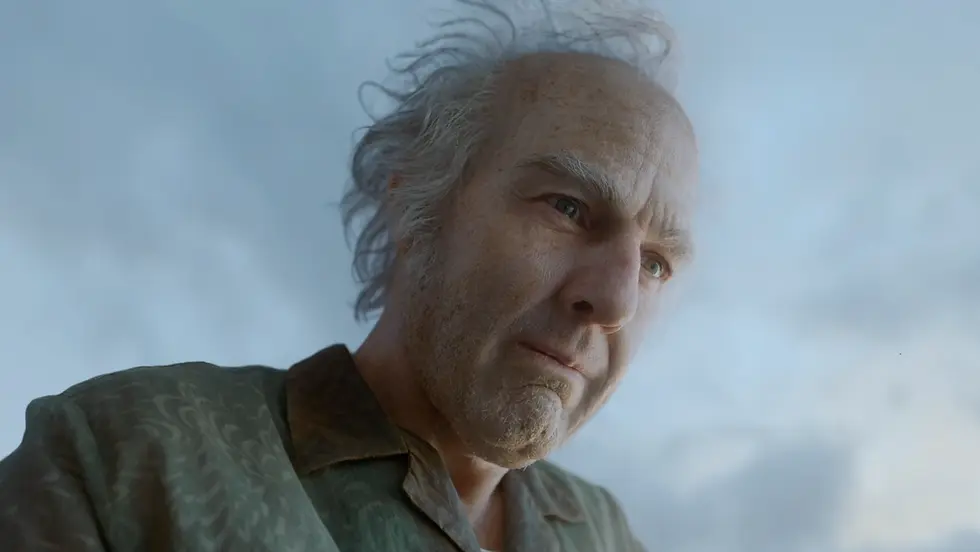
From his explosive debut to his latest work, the Mexican filmmaker has built a career on calculated risks—artistic, technical, and personal—that most directors would carefully avoid. The result is a body of work that feels singular: restless, ambitious, and often polarizing, yet impossible to ignore.
It began with Amores Perros (2000). Rather than deliver a conventional debut, Iñárritu wove three raw, intersecting stories of violence, class, and chance in Mexico City. The film’s non-linear structure and unflinching tone announced a director uninterested in easy narratives. He followed it with 21 Grams and Babel, completing what became known as his “Death Trilogy.” These films stretched storytelling across fragmented timelines, multiple languages, and continents, demanding that audiences assemble meaning themselves. Commercial caution would have suggested simpler plots. Iñárritu chose complexity.
Then came Birdman (2014). The decision to shoot the film so it appeared as one continuous take was more than a stylistic flourish—it was a high-wire act. Every movement of the camera, every performance, every transition had to serve the illusion of unbroken time. The risk paid off with Oscars for Best Picture and Best Director, but it also cemented Iñárritu’s reputation as a filmmaker willing to reinvent the form rather than simply work within it.
The Revenant (2015) pushed further still. Shot in remote, freezing locations under natural light, the production subjected cast and crew to extreme physical conditions. Leonardo DiCaprio’s performance became legendary not only for its intensity but for the real endurance it required. Iñárritu refused digital shortcuts and controlled environments. He bet that authenticity—however punishing—would yield something more powerful than comfort ever could. Another Best Director Oscar followed.
Even Bardo, False Chronicle of a Handful of Truths (2022), his most personal and divisive film, continued the pattern. Sprawling, dreamlike, and deeply autobiographical, it invited criticism for its excess and self-reflection. Iñárritu did not retreat. He doubled down on the idea that cinema could be both intimate and monumental, messy and precise.
Across these films, a consistent thread emerges: Iñárritu treats risk as essential rather than optional. He has repeatedly chosen difficult structures over linear clarity, punishing production methods over convenience, and thematic ambition over market-friendly restraint. The films that result feel distinct—visually bold, emotionally charged, and formally restless. They do not always please everyone. They rarely try to.
Now the question shifts to his newest work. Digger, a satirical black comedy years in the making and starring Tom Cruise, arrives after nearly a decade of development, multiple rewrites, and the kind of persistent vision that has defined Iñárritu’s career. Once again he has chosen an unconventional path—pairing a global movie star with biting social satire and environmental urgency. Whether the film lands as another daring success or a more contentious experiment remains to be fully judged.
For a filmmaker who has spent more than two decades walking dangerous paths in search of something singular, the only certainty is this: Digger will not be safe. The only way to know what Iñárritu has risked this time is to watch.



Comments